Your Cart is Empty

For a lot of local families, summer doesn’t really start until the car is packed, the snacks are loaded, and the bikes are coming along for the ride.
Maybe you’re heading to the Cape. Maybe it’s the Jersey Shore. Maybe you’re spending a long weekend in Connecticut, Rhode Island, the Hamptons, or up at a lake house. Wherever you’re going, bringing bikes can make the trip better. You can skip short car rides, get the kids moving, explore beach towns, ride to breakfast, or cruise around after dinner.
But there’s one thing we see every summer at the shop.
Families remember the bikes.
They forget to check if the bikes are actually ready.
A bike that feels “fine” around the neighborhood can start acting up fast once it’s on vacation. Tires lose air. Brakes rub. Chains get dry. Kids outgrow bikes. Helmets fit differently than they did last year. Racks loosen. A bike that was stored in the garage all winter may need more attention than it looks like.
This guide is for Westchester and Greenwich area riders who are planning to travel with bikes this summer. It’s not about overcomplicating the trip. It’s about making sure your bikes, gear, and setup are ready before you’re standing in a driveway two hours from home with a flat tire and a disappointed kid.
Before you think about racks, baskets, accessories, or vacation routes, start with the basics.
Can each bike stop well?
Does it shift cleanly?
Are the tires holding air?
Does anything feel loose?
Is the chain dry or rusty?
Are the wheels spinning straight?
A quick ride around the block can tell you a lot. Listen for rubbing, clicking, grinding, or squeaking. Pay attention to how the brakes feel. If the lever pulls too close to the handlebar, the brakes may need adjustment. If the bike hesitates when shifting, the derailleur may need tuning. If the tires look cracked, worn, or soft after inflation, don’t ignore it.
This is especially important if you’re taking bikes on a longer trip. Vacation riding often means unfamiliar roads, sandy paths, gravel shoulders, beach town traffic, and kids riding in places they don’t know well.
A pre-trip bike tune-up is one of those small steps that can save the entire trip from becoming stressful.

A good summer bike check should focus on safety, reliability, and comfort.
Here’s what we recommend looking at before any trip.
Brakes are the first priority. Make sure each bike stops smoothly and quickly. Brake pads should have life left in them. The wheels or rotors shouldn’t rub badly. The levers should feel firm.
This is even more important for kids’ bikes. Kids tend to ride fast, stop late, and get distracted. If their brakes are weak, get them checked before you leave.
Inflate every tire to the recommended pressure. Then check again the next day. If a tire loses air overnight, you may have a slow leak.
Look closely at the sidewalls. Dry cracks, worn tread, or bulges are signs the tire may not be trip-ready. Beach areas and lake roads can be rough on tires. Sand, gravel, shells, potholes, and curbs can expose weak spots quickly.
A dry chain makes the ride noisy and less efficient. It can also make shifting worse. If the chain looks rusty or feels gritty, it should be cleaned and lubricated.
The drivetrain includes the chain, cassette, chainrings, derailleur, and crank area. If that system isn’t working well, the bike won’t feel smooth. You may notice skipping, clunking, or delayed shifting.
Spin each wheel. It should rotate freely without wobbling badly. A small amount of movement may not be urgent. A bigger wobble can affect braking, handling, and tire wear.
Also check the spokes. Loose or broken spokes should be handled before travel.
Check the stem, handlebar, seatpost, saddle, pedals, racks, cages, and kickstand. Nothing should wiggle.
This is an easy area to overlook. Travel can shake things loose. A rack that feels slightly loose at home can become a real problem after a highway drive and a few bumpy roads.
This is the part most families learn the hard way.
Don’t bring your bikes in the day before vacation and expect every repair to be simple. Sometimes a bike only needs a quick adjustment. Sometimes it needs tubes, tires, brake pads, cables, a chain, or other parts. If parts need to be ordered, same-day service may not be realistic.
The better move is to check your bikes one to two weeks before your trip.
That gives you time to get an estimate, make smart decisions, and avoid last-minute stress. It also gives your family time to test ride the bikes after service. That’s especially useful for kids, since seat height and fit can change quickly from season to season.

Kids grow fast. A bike that fit last August may be too small this summer.
Before you pack the kids’ bikes, look at three things.
Can they stand over the bike comfortably?
Can they reach the handlebars without stretching?
Can they pedal with control and stop safely?
If their knees are coming up too high, the seat may need to be raised. If the seat is already near its limit, they may need a larger bike. If they look cramped, uncomfortable, or unstable, don’t assume they’ll be fine for a full week of riding.
A poorly fitted kids’ bike can turn a fun ride into complaints within ten minutes. It can also make the child less confident.
For families in Westchester and Greenwich, this is a good time to stop into a local bike shop before vacation. A quick fit check can help you decide whether a simple adjustment is enough or whether it’s time to size up.
Bike racks are one of the biggest difference-makers for summer travel.
A good rack should fit your vehicle, carry the right number of bikes, and hold those bikes securely. It should also work with the types of bikes you’re bringing. Road bikes, mountain bikes, hybrids, e-bikes, and kids’ bikes don’t always fit the same way.
Before a trip, check the rack carefully.
Is it installed correctly?
Are the straps or clamps in good shape?
Do the bikes touch each other?
Do the wheels move too much?
Can you still access your trunk or hatch?
Does the rack work with your vehicle’s hitch or trunk shape?
Do a test load before you leave. Don’t make the first real test at 6 a.m. with the car packed and everyone waiting.
Also remember that heavier bikes need more support. E-bikes in particular require careful rack selection because of their weight. Not every rack is built for them.
If you’re unsure, bring your vehicle and bikes to a local bike shop. It’s much easier to solve rack problems before the trip than on the side of the Merritt, I-95, or the Garden State Parkway.
A helmet only helps if it fits correctly.
For kids and adults, the helmet should sit level on the head. It shouldn’t tilt far back. The straps should form a clean “V” around the ears. The chin strap should be snug but not uncomfortable. When the rider opens their mouth, they should feel the helmet pull down slightly.
If a helmet has been in a crash, replace it.
If a child’s helmet is too small, replace it.
If the helmet slides around no matter how much you adjust it, replace it.
Summer trips often include casual rides. People ride to town, to the beach, to ice cream, to a playground, or around a campground. Those short rides are exactly when families tend to relax the rules. Don’t. Cars, pedestrians, dogs, sand, gravel, and other riders are still part of the ride.
Helmets should be packed where they’re easy to grab. If they’re buried under beach bags, people are more likely to skip them.

You don’t need to bring every bike accessory you own. You do need the right ones.
For most summer trips, these are the most useful.
Summer rides get hot fast. Every adult and older child should have easy access to water. A bottle cage on the bike makes it simple.
A front basket or rear cargo setup can be very useful for beach towns and lake trips. It gives riders a place for a towel, sweatshirt, snacks, lock, or small bag.
Just don’t overload the bike. Too much weight can change the handling.
If you’re riding near the beach, after rain, or on mixed surfaces, fenders can keep water and grime off your back. They’re not just for commuters.
Bring lights even if you don’t plan to ride at night. Plans change. Dinner runs late. A short evening ride can turn darker than expected.
Use a white front light and a red rear light. Even during the day, lights can help drivers notice you.
Vacation areas are busy. Bikes left outside shops, restaurants, beaches, rental houses, or hotels should be locked. A basic lock is better than assuming nobody will touch the bikes.
Longer rides can be hard on hands. If grips are worn or sticky, replace them before the trip. Gloves can also help with comfort and control.
A seat that feels fine for a five-minute ride may not feel fine after an hour. If someone in the family always complains about the seat, handle it before vacation.
A little preparation goes a long way.
Here’s a simple bike trip packing list:
Helmet for every rider
Bike lock
Water bottles
Portable pump
Spare tube in the right size
Tire levers
Small multi-tool
Lights
Gloves
Comfortable riding clothes
Sunscreen
Small first aid kit
Rack straps or backup bungees
Phone mount or route plan if needed
If you’re not comfortable fixing a flat, that’s fine. Still bring the basics. Someone nearby may be able to help, and having the right tube can make the repair much easier.
The right setup depends on the destination.
If you’re going to the Cape, you may be riding paved rail trails, beach roads, and town streets.
If you’re heading to the Jersey Shore, you may be riding boardwalk-adjacent roads, neighborhood streets, and flat coastal routes.
If you’re spending a weekend in Connecticut, you may see more hills, winding roads, and mixed surfaces.
If you’re going to a lake house, expect gravel driveways, uneven paths, and short trips with kids going back and forth all day.
That changes what you need. A road bike may be great for longer paved rides. A hybrid is often better for casual family trips. A mountain bike may make sense for trails or rougher terrain. Kids’ bikes should be checked for fit and control before anything else.
This is where a local bike shop can be helpful. You don’t have to guess. Tell the shop where you’re going and how you plan to ride. They can help you think through service, racks, tire condition, accessories, and bike fit.
When you’re already on vacation, your options are limited.
A beach town bike shop may be booked. A small repair issue may take days. The shop may not have the right tube, tire, brake pad, rack part, or accessory. And no one wants to spend the first morning of vacation tracking down a repair instead of enjoying the trip.
If you live in Westchester County, Greenwich, Stamford, Rye, Bedford, Chappaqua, Mount Kisco, Scarsdale, or nearby towns, it makes more sense to handle bike prep before you leave.
A good local bike shop can look at the full picture.
The bike itself.
The rider.
The destination.
The rack.
The gear.
The timing.
That’s the difference between “we brought the bikes” and “we actually used the bikes.”
A bike tune-up is worth doing before vacation if:
The bike hasn’t been serviced this season
The brakes feel weak
The gears are skipping
The chain is dry or rusty
The tires are cracked or losing air
The wheels wobble
The bike was stored all winter
A child has grown since last summer
You’re taking the bikes several hours from home
You’re planning multiple rides during the trip
You don’t need to be a serious cyclist to benefit from a tune-up. Casual family riders may benefit even more, because they’re less likely to notice small mechanical issues before they become bigger ones.
A vacation ride should feel good.
If your hands hurt, your saddle feels wrong, your back gets tight, or your knees feel strained, the bike may need a fit adjustment. Sometimes a small change to seat height, saddle position, stem length, or handlebar setup can make the bike feel much better.
This applies to newer bikes and older bikes.
It also applies to riders getting back into cycling after a long break. A bike that technically works may still be uncomfortable. That discomfort can keep you from riding as much as you planned.
For Westchester and Greenwich riders who want to enjoy longer summer rides, a proper bike fit can be one of the smartest pre-trip steps.
Taking bikes on vacation should make the trip easier, healthier, and more fun.
The goal isn’t to turn your family into a race team. The goal is to avoid the preventable problems. A flat tire. A loose rack. A bad helmet fit. A bike that’s too small. A brake issue. A chain that hasn’t been touched since last year.
Start with a quick home check. Then bring the bikes in early if anything feels off.
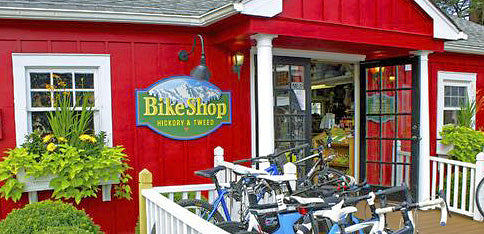
At Hickory & Tweed Bike Shop in Armonk, we help Westchester County and Greenwich area families get bikes ready for summer trips, weekend rides, beach vacations, lake getaways, and everyday riding.
Whether you need a quick check, a tune-up, a rack, a helmet, accessories, kids’ bike help, or a better fit, we’re here to help you leave with confidence.
Because the best bike vacation is the one where the bikes are ready before you arrive.